Here’s why being a corporate lawyer can be a lucrative career option
Corporate & Business Lawyer Mesa, AZ Rowley Chapman & Barney, Ltd.

Corporate law typically refers to how businesses are managed and administered, while business law, on the other hand, deals with regulations associated with running a business. These laws include tax law, employment law, and more. Business law focuses more on third parties related to a business. These third parties can include customers.
Difference Between Corporate Law and Business Law By Experts
Still, corporate law refers to how companies are formed, governed, administered, and managed, while business law covers business operations, such as employment, contract, tax, and business litigation. Most people know corporate law as business law that governs corporation formation and management. This may entail incorporating and operating a.
Business Law writer.lk
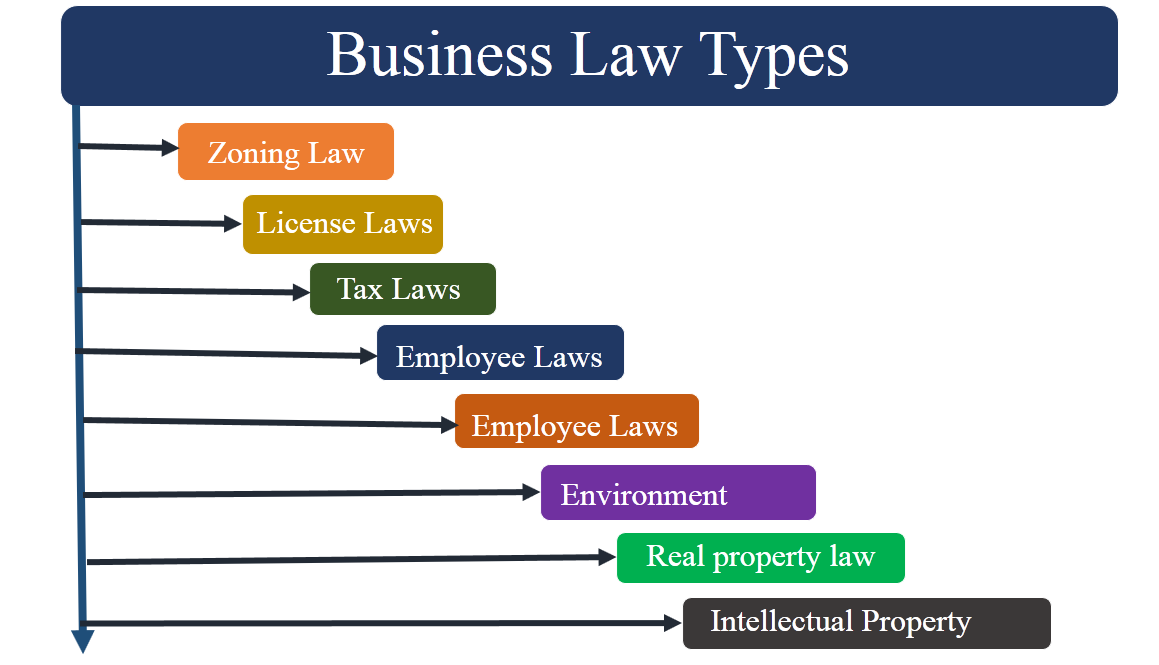
The difference between corporate and business law is as follows: Corporate Law - Corporate law mainly deals with the actions that can only be done by a corporation, which exclusively refers to a business that is owned by shareholders. Business Law - Business law encompasses laws pertaining to taxes, sales, distribution, and manufacturing.
How to Bridge the Gap Between Law and Business The Wise Money

Differences Between Business Lawyer and Corporate Lawyer. Business and corporate lawyers, both are responsible for statutory compliance for companies in India. Corporate mandate and bureaucratic relations are taken up by corporate lawyers while the legality related to taxation, employees, etc. is a business lawyer's responsibility.
Ventura Business Law Attorney Ventura Law Firm

Business Lawyer vs Corporate Lawyer. One of the main distinctions between company lawyers and corporate lawyers is that corporate law seeks to include instructions for the procurement and distribution of competent goods in the often bureaucratic process of providing services on an international market. Corporate law significantly impacts.
CORPORATE LAW Legal Aspect In Business
There has been a lot of confusion when it comes to differentiating between business law and corporate law. While corporate law focuses on legal aspects governing sale and distribution of goods, business law covers legal aspects used in acquisitions, mergers, formation of companies and rights of shareholders. Companies need people who have in-depth knowledge of both laws.
BUSINESS LAW Legal Sweeney

Business lawyers, in the simplest sense, are concerned with how the law impacts businesses in certain circumstances and activities. They provide assistance on a wide range of legal issues related to the day-to-day operations of a company, such as contracts, employment law and intellectual property. Moreover, business lawyers may provide.
What Is The Difference Between Business Law And Commercial Law Unravelling The Mystery!
Many law firms handle both corporate law and business law matters. While there is no specific definition that identifies the difference between corporate law and business law, corporate law generally refers to how businesses are formed, governed, administered, and managed, while business law refers to the areas of the law that are associated with how the business operates, such as employment.
Understanding Business Law is Important for Running a Successful Businesses

Corporate law refers to the set of laws and regulations affecting the formation, management, governance and dissolution of a company while commercial law refers to the laws applicable to the commercial trade and dealings of a company. Commercial law can be considered as a subset of business law. It is specifically interested in the commercial.
Business The Law of Partnerships and Corporations Books
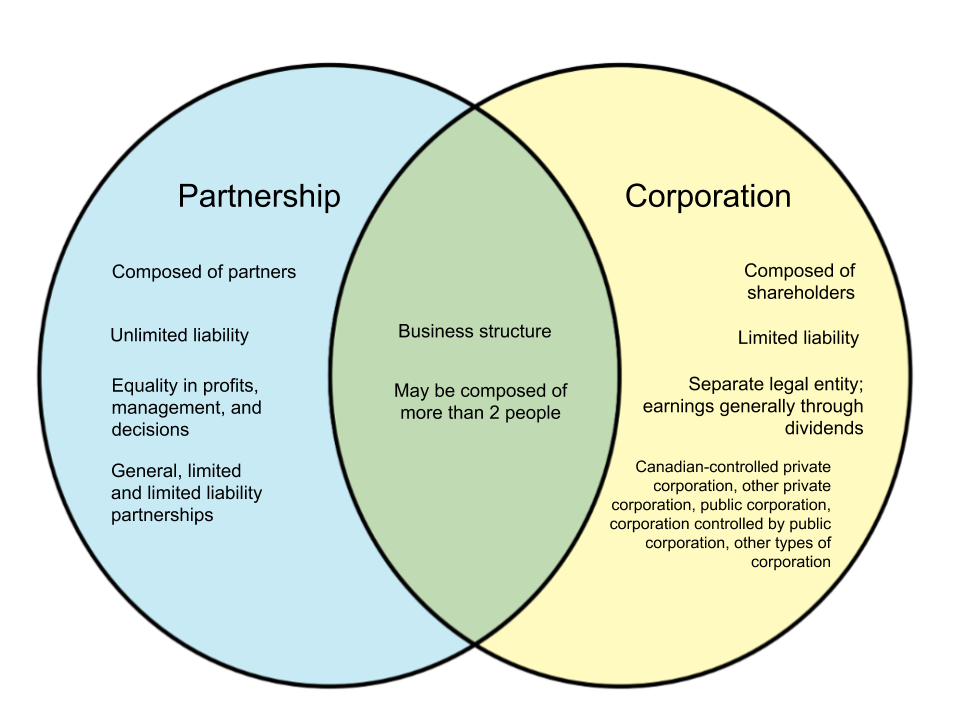
A: No, business law and corporate law are separate types of law, though many people are understandably confused by the two. Corporate law addresses legal matters pertaining to corporations only, whereas business law relates to more broad business-related issues such as bankruptcy, employee contracts, and more.
What is Business Law? The Contiguglia Law Firm, P.C.

Corporate law is a legal practice area specializing in the statutory, regulatory, and ethical standards that apply to corporations. In practice, corporate law touches on a variety of legal.
Corporate Law and Corporate Responsibility Business Ethics
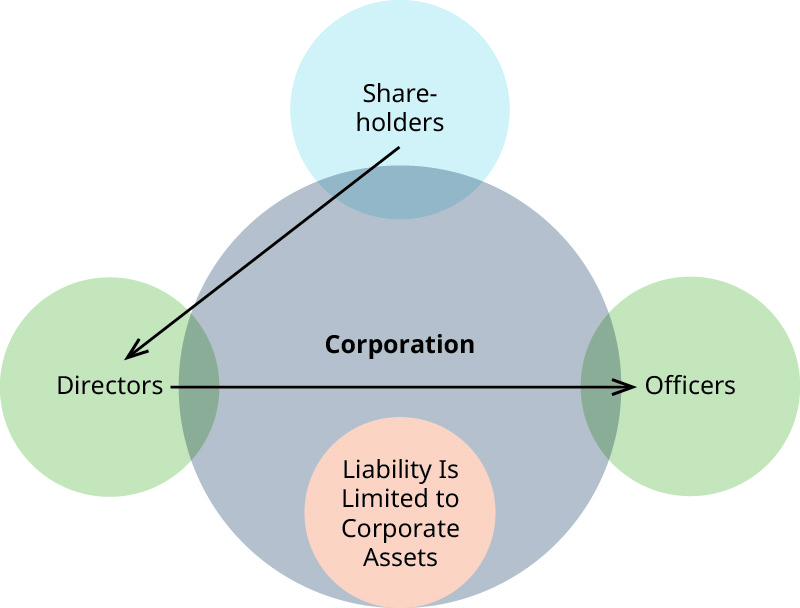
Business Law deals with the fundamental legalities that are required for an organisation's foundation whereas Corporate Law lays emphasis on the operations, activities, and validity of an organisation. In simple terms, Corporate Lawyers write the contracts and business lawyers review those contracts.
Join the Law & Finance Mailing List Faculty of Law
Corporate law is a specialized subset of business law that focuses specifically on the legal framework governing corporations. With the goal of creating a stable and predictable environment for businesses operating as corporations, this area of law establishes the rules for corporate formation, governance, financing, and dissolution that promote the efficient functioning of the corporate sector.
Corporate Law is the Specialty Area of a Corporate Lawyer SmartGuy

Corporate law, also commonly referred to as business, enterprise or company law, governs high-level corporate governance, regulation, structuring, financing and management. Broadly speaking, Corporate Law is concerned with corporate governance and corporate finance. Corporate law affects companies and corporations of all sizes and is relevant.
Business and Corporate Law, 2nd Edition, Paperback, 9780455239170 Buy online at The Nile
While corporate law focuses on legal aspects governing the sale and distribution of goods, business law covers the legal aspects of mergers and acquisitions, the formation of companies and shareholder rights. Companies need people who have in-depth knowledge of both areas of law. If you imagine doing business without any legal means to protect.
Here’s why being a corporate lawyer can be a lucrative career option

Commercial law, also known as business law, encompasses a broad range of legal principles and regulations that govern commercial transactions, trade, and the operation of businesses. It is a branch of civil law that addresses the rights, obligations, and conduct of individuals and entities involved in commerce. 2.