Tutorial 20 What Is A Schema In Postgresql Postgresql Schema Youtube Vrogue
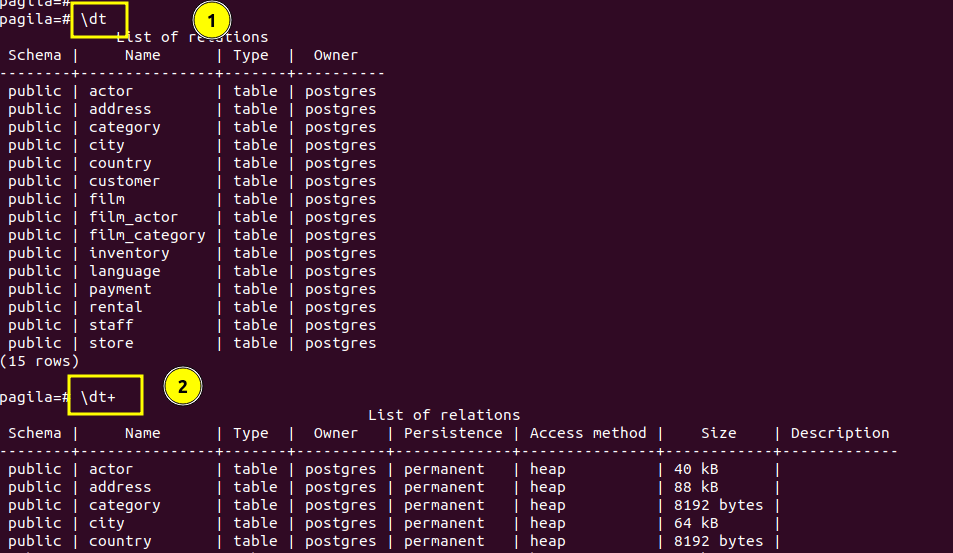
How to Describe a Table in PostgreSQL CommandPrompt Inc.
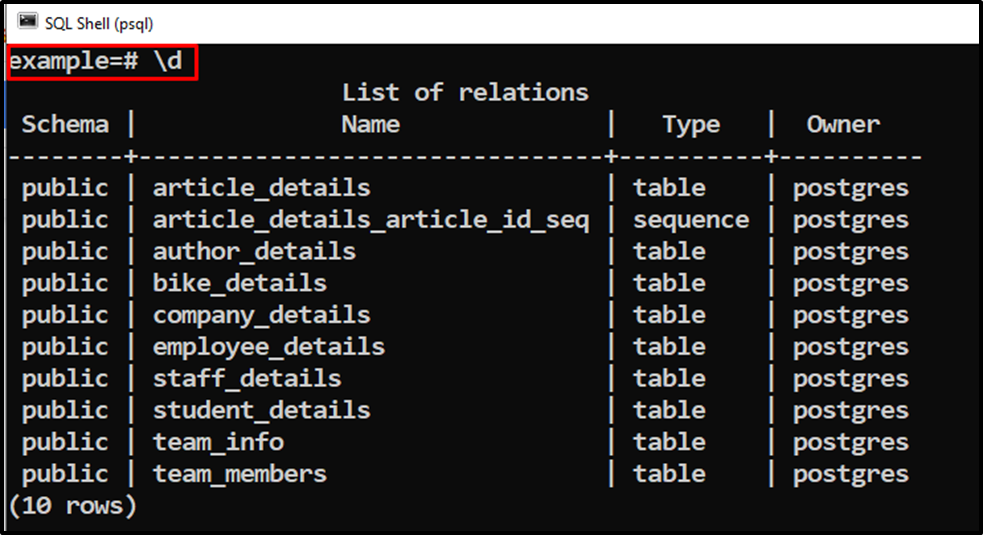
I have a database with some tables that was created by a certain user. All tables and sequences in that DB were owned by that user. I needed to change the owner of those tables and sequences to be able to run certain operations (Django Migrations). In doing so, I changed it to postgres by mistake: REASSIGN OWNED BY delme TO postgres;
How To Drop All Tables In A Database Postgres
This code block below selects all tables from the schema public that belongs to the user postgres and set the ownership to the user user: DO $$ DECLARE row RECORD; BEGIN FOR row IN SELECT * FROM pg_tables WHERE schemaname = 'public' AND tableowner = 'postgres' LOOP EXECUTE FORMAT('ALTER TABLE %I.%
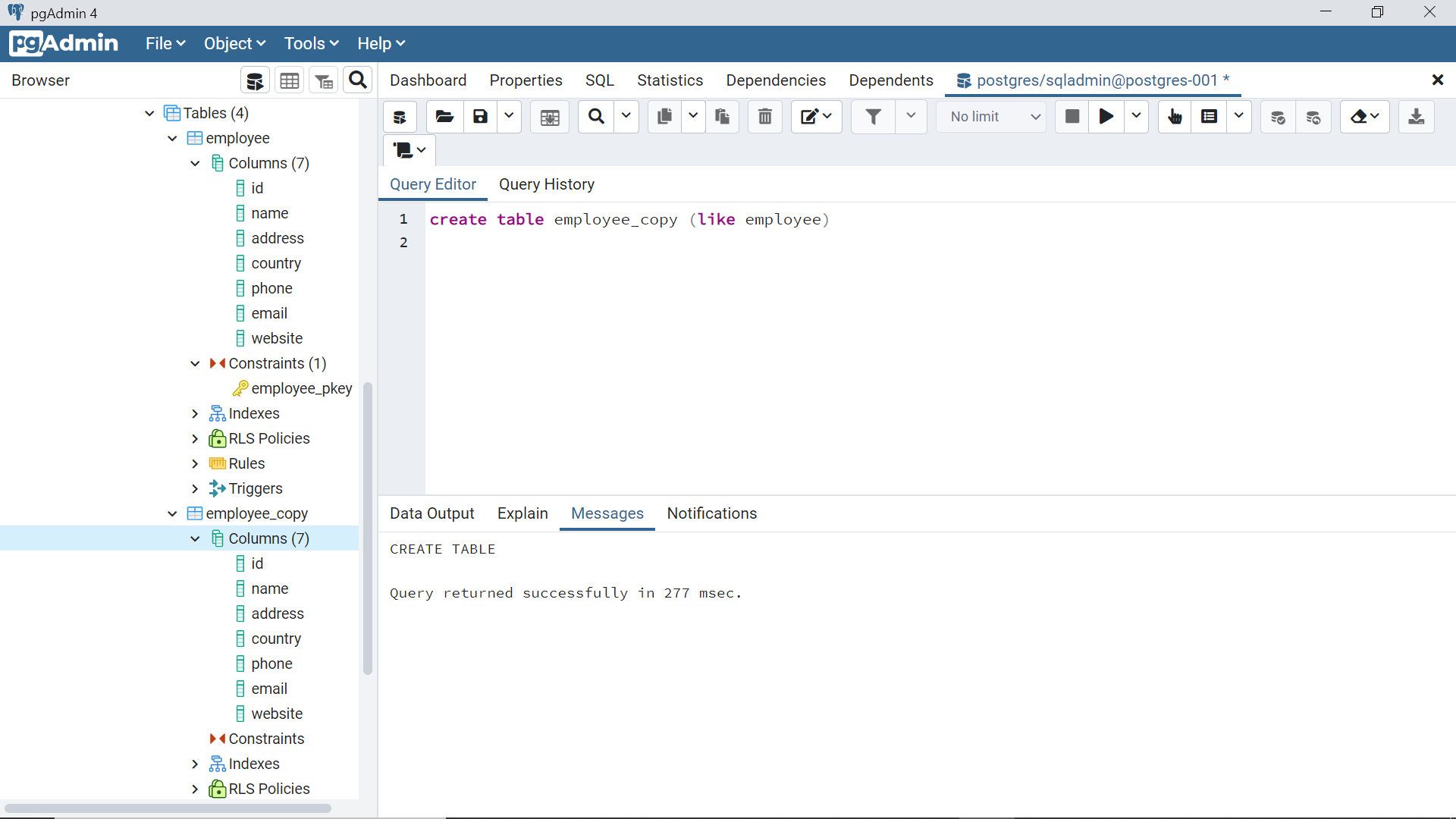
Using tables as templates in Azure Database for PostgreSQL
Change owner on a PostgreSQL database and all tables. 2012-04-20 - How to change owner on a PostgreSQL database and all tables Tag: PostgreSQL. Table of contents. The solution; The solution. Here is the sequence of commande that will change the owner of all objects in a database from a user named "support" to another named "test-support":
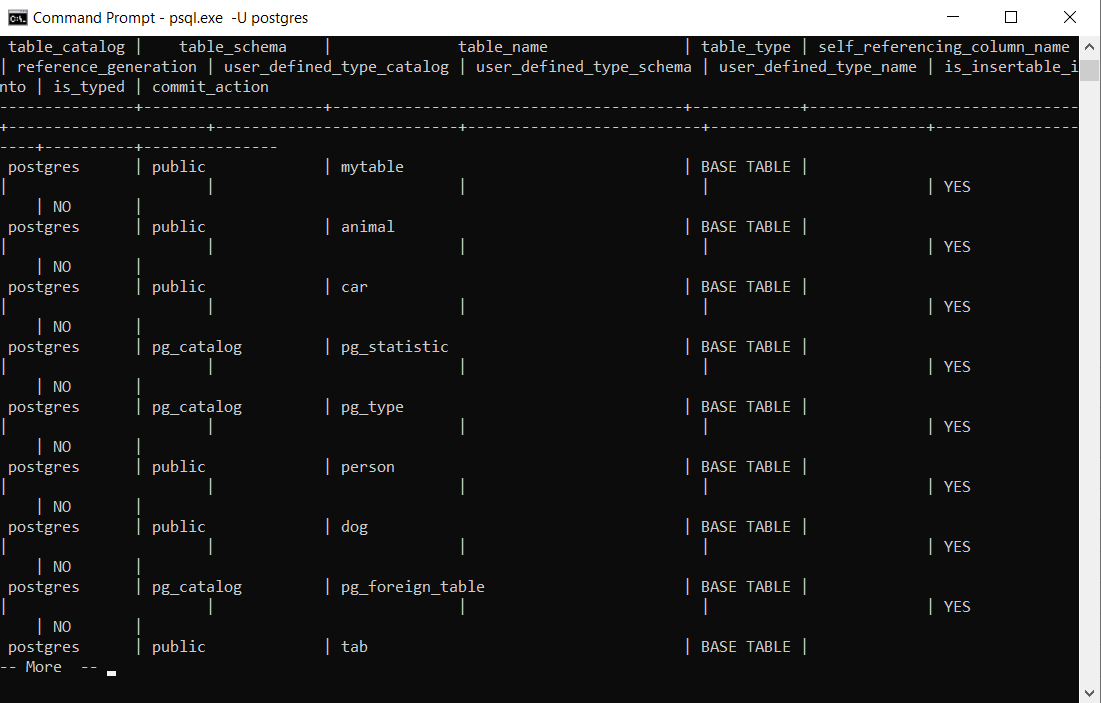
List All Tables in PostgreSQL INFORMATION_SCHEMA Table Delft Stack
Summary: in this tutorial, you will learn how to modify existing databases by using PostgreSQL ALTER DATABASE statement.. Introduction to PostgreSQL ALTER DATABASE statement. The ALTER DATABASE statement allows you to carry the following action on the database:. Change the attributes of the database; Rename the database; Change the owner of the database
How To Get Table List In Postgresql
How to Change owner of all tables in a Schema in Redshift database. Check the current owner of the tables using the below query where schema_name is the name of the schema in lower case. select tablename, tableowner from pg_tables where schemaname='schema_name'; Generate sql statements to change the owner of all the tables using below command.
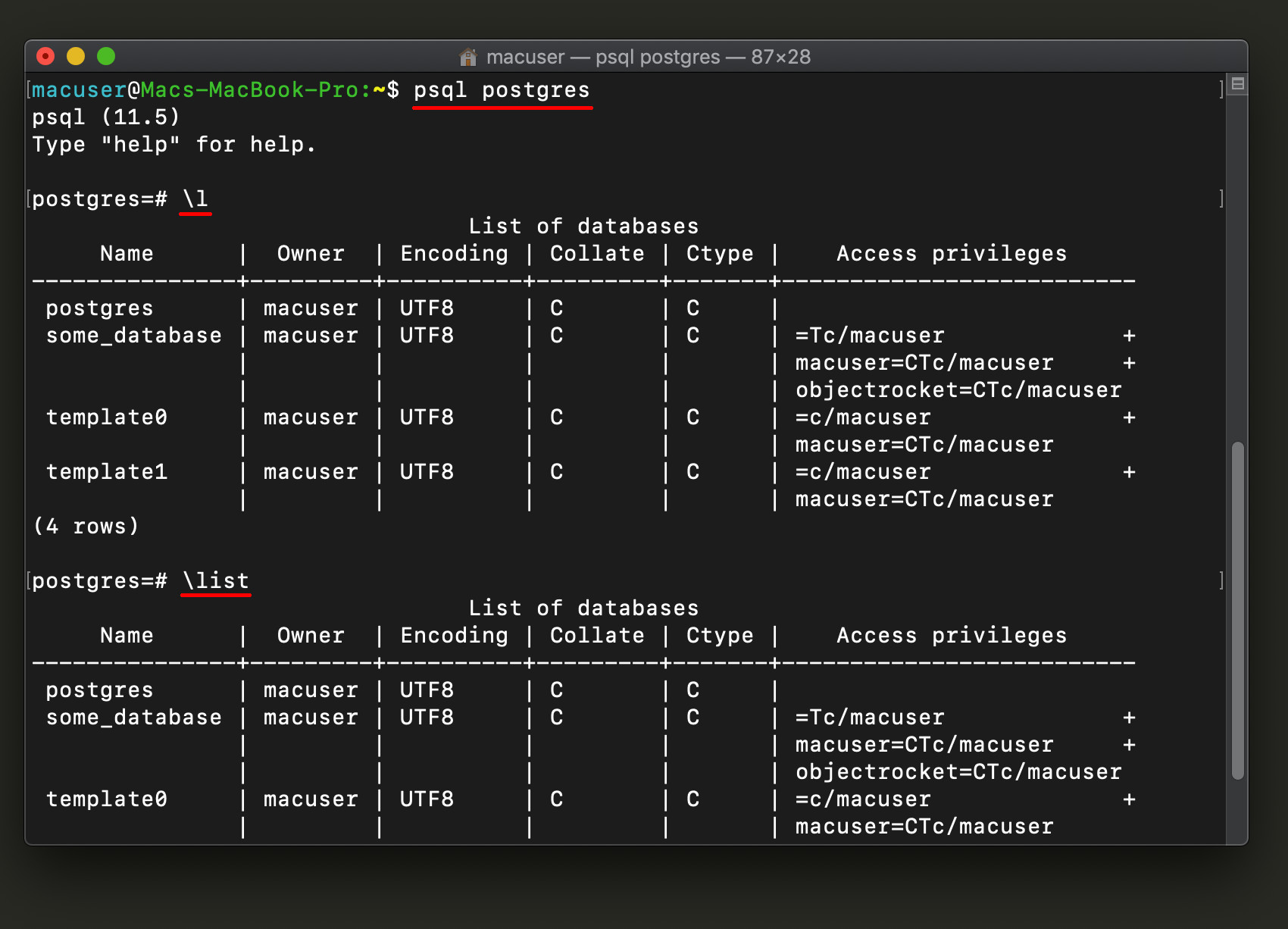
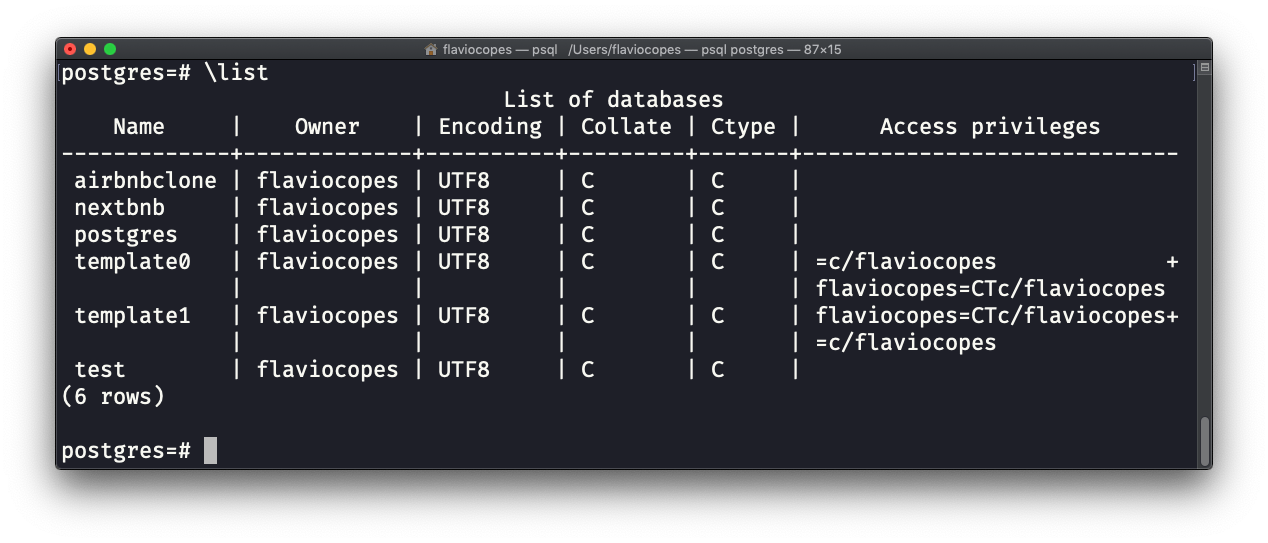
How to list all databases using PostgreSQL
Created these tables and sequences under postgres user: table creation schema. SET search_path TO main; CREATE TABLE table1. CREATE TABLE table2. CREATE TABLE table3. sequence creation schema. CREATE SEQUENCE main.seq1. CREATE SEQUENCE main.seq2. CREATE SEQUENCE main.seq3. Now want to change all of them to an another owner named.
Postgresql Describe All Tables Awesome Home
To change the owner of a database to another, you can use the ALTER DATABASE statement: ALTER DATABASE dbname. OWNER TO new_owner; Code language: SQL (Structured Query Language) (sql) In this syntax: First, specify the database name that you want to change the owner after the ALTER DATABASE keyword. Second, specify the new owner, an existing.
PostgreSQL Show All Databases and Tables Using PSQL MySQLCode
The -C, or --create, command will try to create a postgrelearning database. If one exists, you'll get an error, so, you can again modify the pg_restore command: 1. pg_restore -d postgres -U postgres -C -c bucustom.dmp. Running both --clean and --create will result in pg_restore dropping and recreating your database.
Postgresql Commands List Of With Examples How To Work A Database Using Psql Vrogue
pg_dump -d -O database filename. -d ( data as inserts ) -O ( capital O is no owner ) Then pipe the backup file back in to PostgreSQL using: psql -d database -U username -h hostname < filename. As there is no owner included then all of the created table, schema, etc, are created under the login user you specify.
Postgres PgAdmin ER diagram Example without audio YouTube

If you can query the tablenames in your schema, you can generate the queries to ALTER table ownership. For example: select 'ALTER TABLE ' || t.tablename || ' OWNER TO new_owner;' from pg_tables t where t.tableowner != 'rdsadmin'; will return the query to change ownership of all tables:
How To See List Of Tables In Postgresql
How to modify owner of all tables in PostgreSQL? 1. Using REASSIGN OWNED. For PostgreSQL from the version 8.2, you can use REASSIGN OWNED to transfer the ownership of any database objects owned by a database role to a new role. REASSIGN OWNED BY old_role [,.] TO new_role. 2. Using psql command. For older versions, you can use these command.
Postgres Create Or Replace Table Example
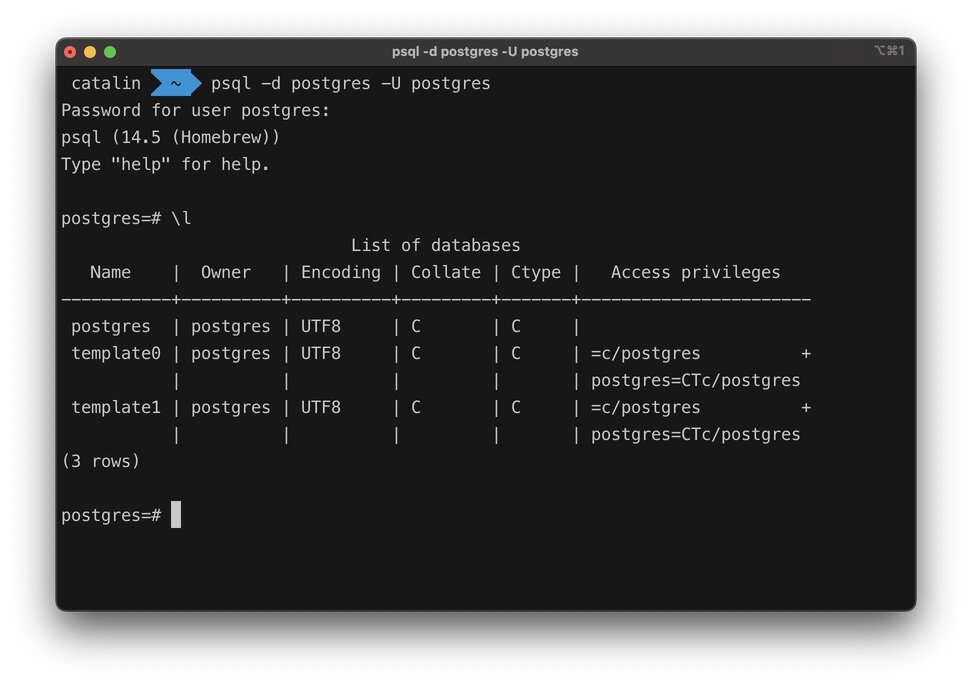
Step 1: Check Database Owners. Firstly, execute the "\l" command from SQL Shell to check the list of databases along with their respective owners: \l. The above snippet shows that the owner of the "emp_db" is " command_prompt ". Step 2: Change Database Owner. Execute the below command to change/modify the database owner from.
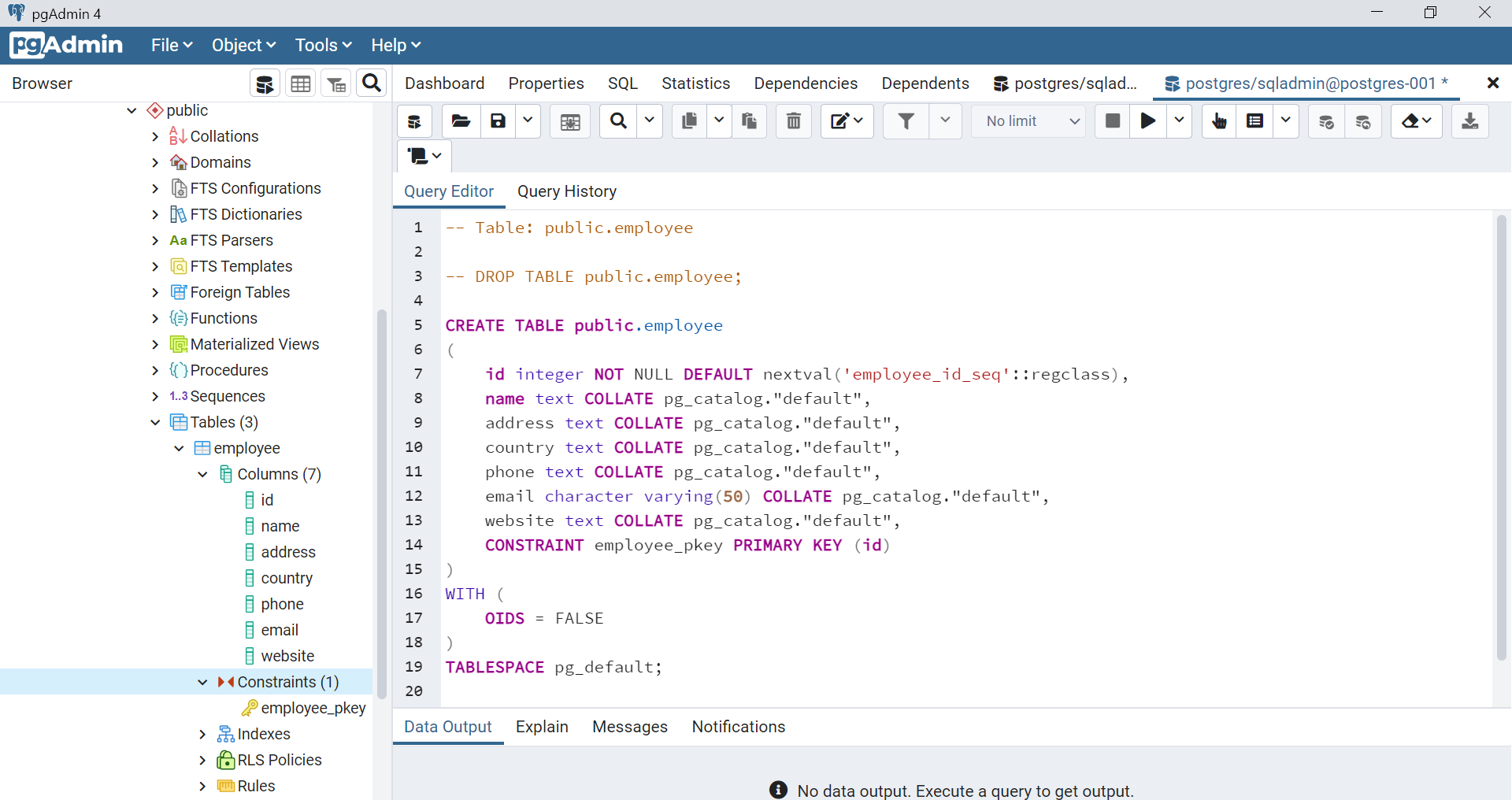
Create Table in PostgreSQL Guide with Examples Devart Blog
Step 3: Change the Table's Owner. Suppose we have to change the table's owner from "postgres" to "sample_user". For this, type the following "ALTER TABLE" command and press the "ENTER" button: The above snippet depicts that the "ALTER TABLE" command was executed successfully. Step 4: Verify the Table's New Owner.
How to list tables in a PostgreSQL database Softbuilder Blog

The two methods that spring to mind for me are: 1) First alter the database name, and then perhaps right a quick script which changes the owner on the current tables to the old tables. ALTER DATABASE
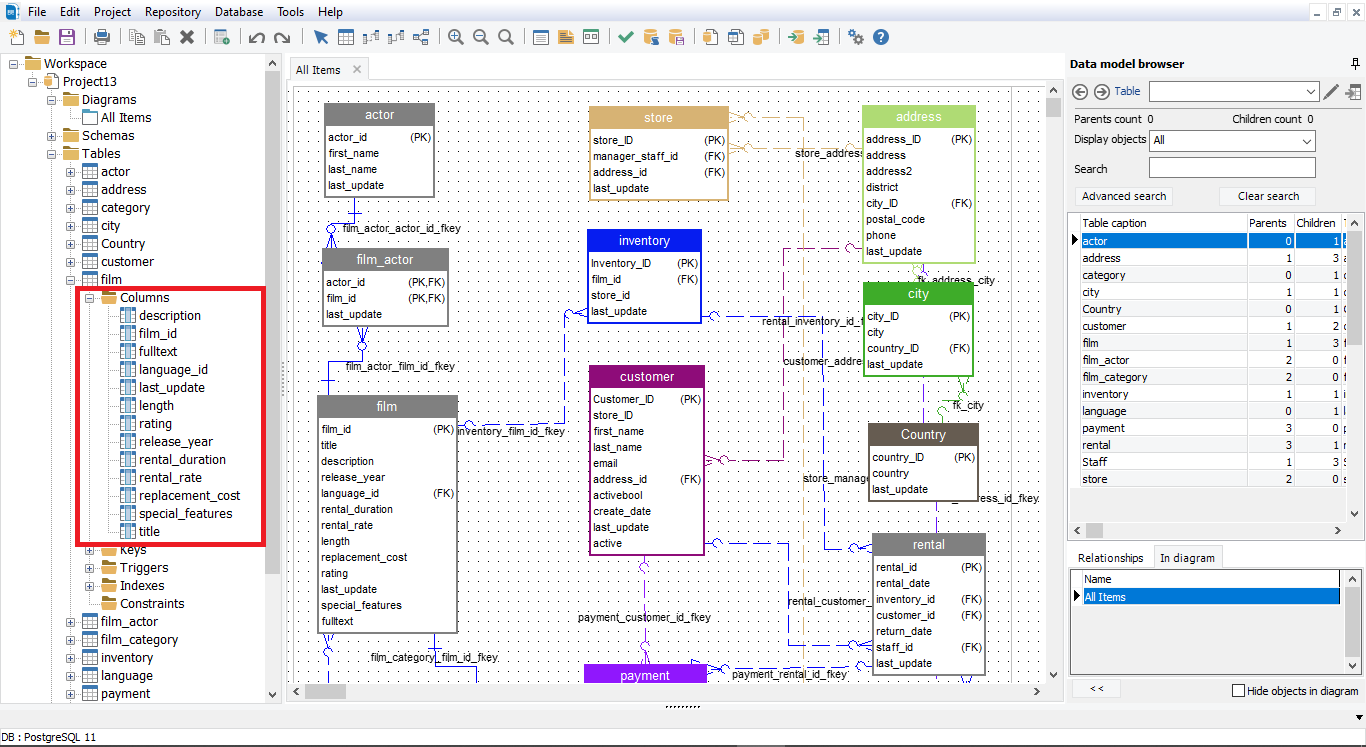
postgresql graphical view of the tables in postgres Stack Overflow

The name of a role. The ownership of all the objects within the current database, and of all shared objects (databases, tablespaces), owned by this role will be reassigned to new_role. new_role. The name of the role that will be made the new owner of the affected objects.
Top psql commands and flags you need to know PostgreSQL
I'm new to PostgreSQL and I'm trying to change the table owner for a bunch of tables. I was able to change the ownership by logging in a the postgres user and executing alter table owner to user1, but when I login as user1 it still shows postgres as the owner. For instance, when logged in as the postgres user and executing \dt or select * from.